
How to get clients to pay on time
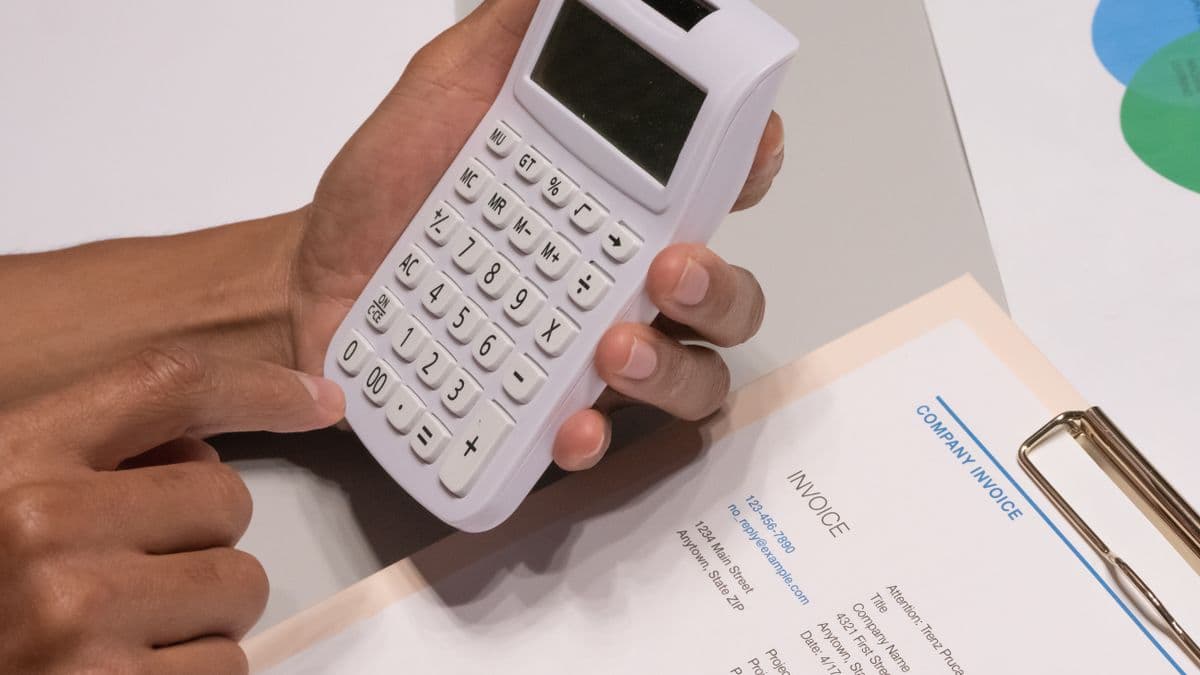
If you run a service business, you already know the quiet stress of work delivered and money still owed. You did the job well, the client was happy, and yet the payment sits somewhere between "I'll sort it out" and silence. Learning how to get clients to pay on time is not about being pushy. It is about setting up your business so that paying you is the easy, obvious next step.
The good news is that most of what causes late payments is fixable with a few simple habits. Clear terms, clean invoices, and gentle reminders do far more than chasing ever will. Below is a practical way to get paid faster, written for service businesses here in East Africa where mobile money, bank transfers, and a mix of TZS and KES are all part of daily trade.
Why late payments quietly hurt your cash flow
Profit on paper means nothing if the money is not in your account. When invoices drag, you start paying suppliers, staff, and rent out of your own pocket or savings. One late client is annoying. Three or four at once can stop you from buying stock, taking on new work, or paying salaries on the agreed day.
Late payments also steal your time. Every hour spent calling, texting, and worrying about who owes what is an hour not spent serving clients or growing. The aim is to remove the guesswork so money arrives on a predictable rhythm and you can plan with confidence.
Set clear payment terms before the work starts
Most disputes about money are really disputes about expectations. If you agree on the terms before you start, there is nothing to argue about later. Put it in writing, keep it simple, and say it out loud so the client cannot claim they never knew.
Good payment terms answer the obvious questions in plain language:
- When payment is due, for example within 7 or 14 days of the invoice, or a deposit before work begins
- How much is due up front and how much on completion for larger jobs
- Which payment methods you accept, such as M-Pesa, Tigo Pesa, Airtel Money, or bank transfer
- What happens if payment is late, for example a pause on further work until the balance is cleared
Asking for a deposit is normal and reasonable. A client who agrees to pay something before you start is far more likely to pay the rest on time. For new clients especially, a 50 percent deposit protects you and tells you quickly whether they are serious.
Send a professional invoice with everything needed
A confusing invoice is a slow invoice. If the client has to call you to ask how much, by when, or where to send the money, you have already lost days. A clear, professional invoice removes every excuse for delay and makes your business look organised and trustworthy.
Make sure each invoice clearly shows:
- The amount due, in the right currency, with any taxes shown separately
- A specific due date, not vague wording like "on receipt"
- Your payment details for every method you accept, including the exact mobile money number and name, and the bank account name and number
- A short description of the work so the client recognises it instantly
- An invoice number and the date, so both of you can refer to it easily
When you give people the mobile money number right there on the invoice, many will simply pay on their phone within minutes. The less someone has to think or hunt for details, the faster the money moves.
Invoice promptly and follow up before and after the due date
Speed matters more than people expect. Send the invoice the same day the work is done, or even attach it before. The longer you wait to invoice, the longer the client waits to pay, and the more the job fades from their memory. Prompt invoicing is one of the simplest ways to get clients to pay on time.
Reminders are not rude when they are polite and expected. A friendly nudge a few days before the due date helps busy clients plan, and a calm follow-up after the date keeps things moving without damaging the relationship. A simple rhythm works well:
- A gentle reminder 2 to 3 days before the due date, framed as a helpful heads-up
- A polite message on the due date itself, confirming the amount and payment options
- A short, firm follow-up a few days after, asking when you can expect payment
Keep the tone warm and matter-of-fact. Most late payers are not dishonest, just busy or forgetful. A respectful reminder usually gets the money without any awkwardness, and it signals that you keep careful track of what you are owed.
Make paying you frictionless
Every extra step between the client and payment is a chance for them to put it off. Your job is to make settling the bill the easiest thing they do that day. The fewer obstacles, the faster you get paid.
Offer the methods your clients already use, accept partial payments toward a larger balance, and confirm receipt as soon as money lands so they know it went through. If a client pays by mobile money, a quick thank-you message closes the loop and builds goodwill for next time. Convenience is not a luxury here. It is the difference between being paid today and being paid next month.
Track who owes what, and let a system do the chasing
You cannot collect what you cannot see. If your invoices live in a notebook, a phone, and your head all at once, some will always slip through. You need one place that shows, at a glance, who has paid, who is due soon, and who is overdue. That single view turns chasing from a panic into a calm routine.
This is where doing it by hand becomes the bottleneck. As you grow, remembering every due date and writing every reminder eats your day. A proper system tracks each invoice, flags what is overdue, and sends invoice reminders automatically so payments are followed up even when you are busy with other clients. SABY CRM is built for exactly this kind of East African service business, branded for you and ready to use, so your invoices, payment methods, and reminders all work together in one place.
Getting paid on time is rarely about luck or tough talk. It is the result of clear terms, clean invoices, prompt sending, easy payment, and steady follow-up. Put those habits in place, let a system handle the routine, and you will spend far less time chasing money and far more time doing the work you are good at.
Last updated .
Frequently asked questions
What payment terms should a small service business use?
Net 7 to net 14 days is common and reasonable for most service businesses, meaning payment is due within 7 to 14 days of the invoice. For larger jobs or new clients, ask for a deposit up front and the balance on completion. Whatever you choose, agree it in writing before you start the work.
How do I politely remind a client about a late payment?
Keep the tone calm and assume the best, since most late payers are simply busy rather than unwilling. Send a short message that states the invoice number, the amount, the due date, and your payment options, then ask when you can expect payment. A respectful, factual reminder almost always works better than pressure.
Should I charge a late fee to get clients to pay on time?
A late fee can work, but only if you stated it clearly in your payment terms before the job began. For many small businesses, pausing further work until the balance is cleared is simpler and just as effective. The most reliable approach is still clear terms, prompt invoicing, and steady reminders rather than penalties.