
Is a subscription model right for your business?
If you run a service business in East Africa, you have probably noticed how unpredictable income can be. Some months are busy and the bank balance looks healthy. Other months are quiet, and you are still paying rent, salaries and data bundles out of savings. A subscription business model is one way to smooth that out. Instead of chasing a fresh sale every time, you charge customers a regular fee in exchange for ongoing access to your service. The money comes in on a steady rhythm, and you can plan ahead with more confidence.
But a subscription business model is not magic, and it is not right for everyone. Before you change how you charge, it helps to understand what you are really signing up for, where it fits, and how to handle subscription pricing and recurring billing in a way that works for Tanzanian and East African customers. This article walks through all of that in plain language.
What a subscription business model actually means
At its simplest, a subscription means your customer agrees to pay you on a repeating schedule — weekly, monthly, quarterly or yearly — and in return they keep getting something of value. It could be a service you deliver, access to a platform, a regular delivery, or membership in a group. The key word is recurring. You are not selling a one-off job and then starting again from zero. You are building a relationship that renews itself.
This is different from a normal sale in three ways. The customer expects continuous value, not a single handover. You expect predictable income rather than a lump sum. And both of you are agreeing to a longer relationship, which raises the stakes on keeping each other happy.
The real benefits of a subscription business model
The biggest reason owners move to subscriptions is predictability. When you know roughly how much will land in your account each month, you can make calmer decisions about hiring, stock and growth. A few other benefits tend to follow naturally.
- Steadier cash flow, so you are less exposed to slow months and seasonal dips.
- Stronger customer relationships, because you stay in regular contact instead of disappearing after one job.
- Higher lifetime value per customer, since a client who pays for twelve months is worth far more than one who buys once.
- Easier planning and budgeting, because you can forecast income with reasonable accuracy.
- Lower selling effort over time, as renewals cost less energy than winning brand-new customers every week.
Where it fits — and where it does not
A subscription model works best when your service is something people need or use again and again. Think of an accountant filing monthly returns, a gym, a cleaning company servicing offices every week, a software tool, or a salon offering a monthly grooming package. In all of these, ongoing value is easy to see and easy to deliver.
It fits poorly when your service is genuinely one-off, or when customers only need you occasionally. Forcing a subscription onto the wrong business frustrates people and damages trust. Be honest about which side you fall on.
- Good fit: regular maintenance, ongoing advice, frequent deliveries, access to tools or facilities, anything used monthly.
- Poor fit: a single wedding photoshoot, a one-time house renovation, a rare emergency repair, or anything a customer buys once in several years.
- Worth testing: services where you could add a support, maintenance or membership layer on top of a one-off sale.
Types of subscription you could offer
There is more than one way to build recurring income, and you do not have to pick the most complicated one. Start with whatever matches how your customers already think about your service.
- A flat membership model: one fixed fee for ongoing access, like a gym or a co-working space.
- A service retainer: a monthly fee for an agreed amount of work, common for accountants, lawyers and agencies.
- Tiered plans: a basic, standard and premium option so customers can choose how much they pay and get.
- A usage-based plan: a base fee plus charges that scale with how much the customer uses.
- A regular delivery or replenishment plan: the same goods or service delivered on a set schedule.
How to handle subscription pricing and recurring billing locally
Pricing is where many owners get nervous, so keep it simple. Work out your monthly cost to serve one customer, add the margin you need, and set a price in TZS that a customer can pay without thinking too hard. A clear price beats a clever one. Avoid hiding fees, because surprise charges are the fastest way to lose trust in this region.
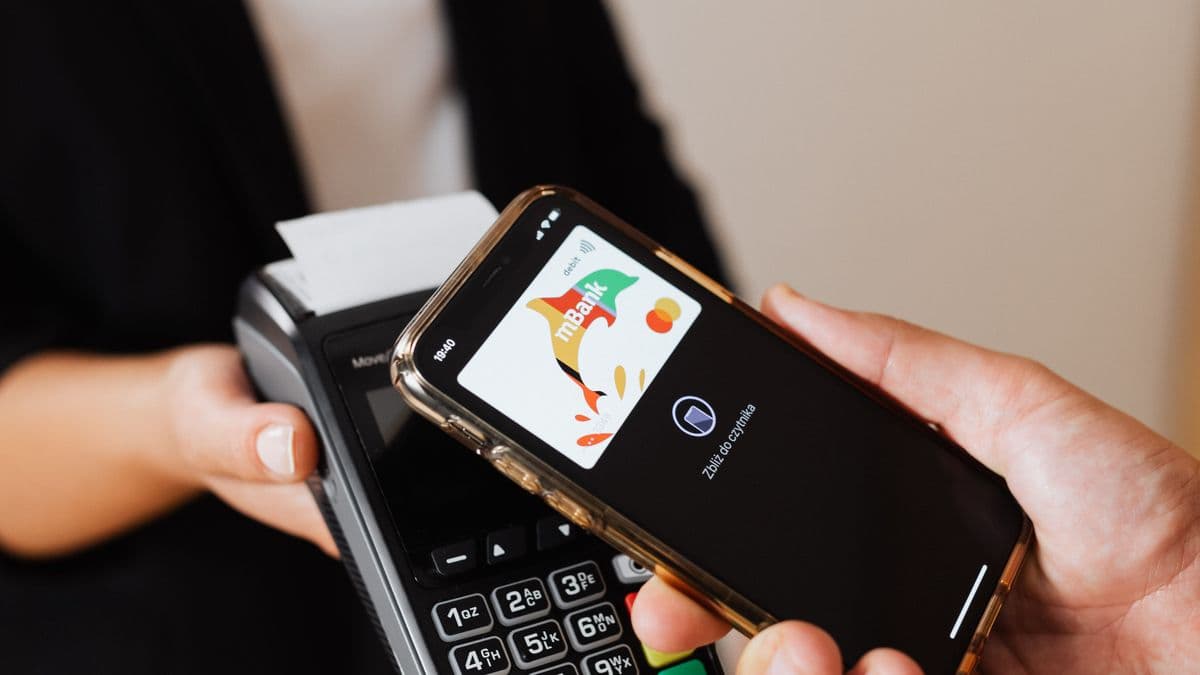
Recurring billing also needs to match how East Africans actually pay. Most of your customers will reach for mobile money long before a card. Make that easy and you remove most of the friction.
- Accept mobile money such as M-Pesa, Tigo Pesa and Airtel Money, since these are how most people pay day to day.
- Send a clear reminder before each charge so the renewal is never a surprise.
- Offer monthly and annual options, and consider a small discount for paying a year up front.
- Keep a simple record of who is due, who has paid and who is overdue, so nothing slips through.
- State your prices in TZS and be upfront about any tax or fees from the start.
Managing renewals and reducing churn
Winning a subscriber is only half the job. The real work is keeping them, because every customer who quietly cancels — what businesses call churn — undoes your hard work. The good news is that most cancellations are preventable with a little attention. People leave when they stop seeing value, when a payment fails and nobody follows up, or when they simply forget why they signed up.
So make renewals deliberate, not accidental. Reach out before a payment is due, fix failed payments quickly, and remind customers of the value they are getting. A short message saying what you did for them last month often does more than any discount. This is exactly the kind of routine that a good system can handle for you — SABY CRM, for example, can track every subscriber, flag upcoming and overdue renewals, and prompt you to follow up, all branded for your business and hosted for you. That frees you to focus on the service itself.
A subscription business model can turn a stressful, unpredictable income into a steady, plannable one — but only if it genuinely suits what you offer and how your customers pay. Be honest about the fit, keep your pricing clear, lean on mobile money, and treat renewals as something you manage rather than hope for. Do that, and recurring income can become one of the calmest, strongest parts of your business.
Last updated .
Frequently asked questions
What is the difference between a subscription model and a membership model?
They overlap a lot, and many people use the terms interchangeably. A subscription usually emphasises a recurring payment in exchange for an ongoing service or product. A membership model tends to emphasise belonging and access — to a place, a community or a set of benefits — though it is still billed on a recurring basis.
Can I run recurring billing on mobile money in Tanzania?
Yes. Most service businesses in Tanzania collect subscription payments through mobile money like M-Pesa, Tigo Pesa and Airtel Money rather than cards. The simplest approach is to send a reminder before each due date and keep a clear record of who has paid and who is overdue, so renewals do not slip through.
How do I reduce customers cancelling their subscriptions?
Focus on showing value and staying in touch. Most cancellations happen because a customer stops seeing the benefit, a payment fails without follow-up, or they simply forget. Reaching out before renewals, fixing failed payments quickly, and reminding people what you did for them recently will keep far more customers than offering discounts.